
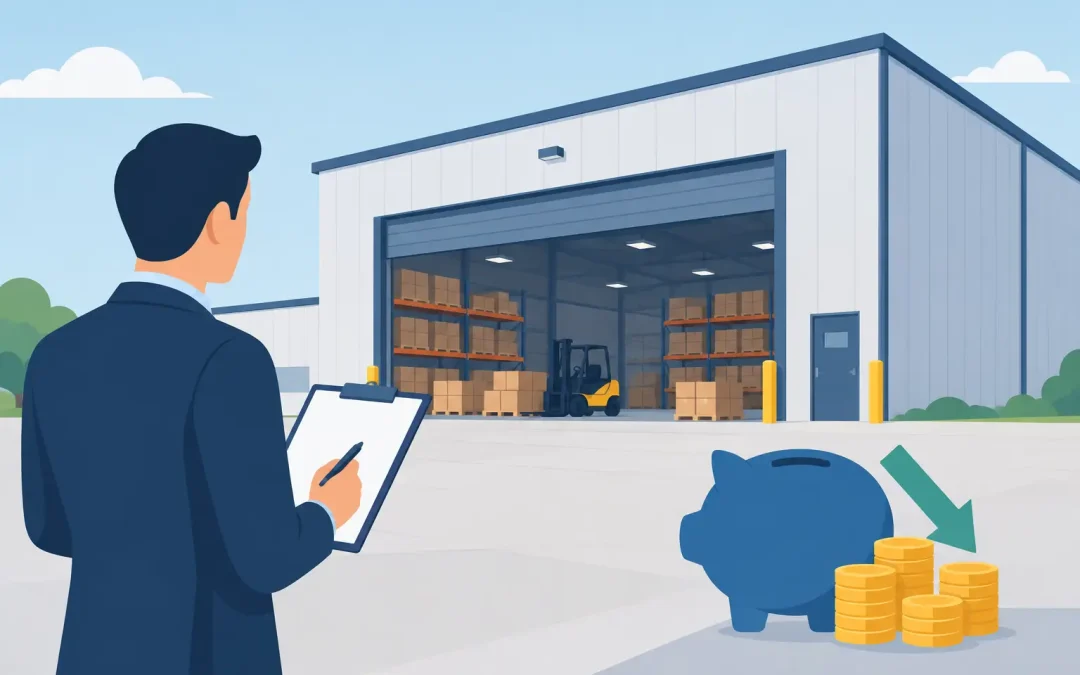
A warehouse that looks affordable on paper can become expensive quickly if deliveries cannot reach the door, parking is limited, or the layout forces your team to work around avoidable bottlenecks. Knowing how to rent warehouse space starts with looking beyond square footage and choosing a location that supports the way your business operates every day.
For Capital Region businesses, the right space should make it easier to receive inventory, serve customers, protect equipment, and get home at a reasonable hour. Whether you are moving supplies out of a crowded garage, adding room for a growing service company, or pairing storage with office operations, a thoughtful search helps you avoid a lease that no longer fits six months from now.
Start With the Work, Not the Building
Before touring properties, write down what will actually happen inside the space. A contractor may need protected storage for tools, easy vehicle access, and room to organize materials. An online retailer may need shelving, packing tables, delivery access, and a secure place for inventory. A local service business may need a small warehouse area alongside an office or customer-facing workspace.
The amount of space you need is only one part of the decision. Think about how inventory enters, where it sits, who needs access, and how it leaves. A modest, well-organized warehouse can serve a business better than a larger unit with poor flow.
It also helps to separate what you need now from what you may need next. If growth is likely, ask whether there are flexible options or additional space that could become available later. Leasing too much space can strain a young business, but leasing too little can create an early and disruptive move.
Measure more than your inventory
Bring a simple list of your largest items, shelving plans, equipment dimensions, and vehicle needs. Include clearance around shelving and work areas, not just the footprint of what you store. If employees will be packing orders or preparing materials inside the warehouse, allow enough room to work safely and comfortably.
Ask about ceiling height, door dimensions, floor condition, lighting, electrical service, and heating. These details affect what you can store and how efficiently your team can work. If the space will support machinery, specialized equipment, or temperature-sensitive items, raise those requirements before discussing lease terms.
Choose a Location That Saves Time Every Week
Warehouse space is not simply a place to put things. Its location affects labor, delivery costs, client visits, and your own daily schedule. A lower rent can lose its appeal when every supply run requires a long drive through congested roads or when customers have trouble finding the property.
For businesses serving Albany, Colonie, Schenectady, and the wider Capital Region, access to major routes can be a practical advantage. Being near I-890, Central Avenue, Route 155, and Route 20 can make it easier to reach job sites, suppliers, and customers without committing to the cost and density of a downtown location.
Consider your regular trips over a full week. Where do deliveries originate? Where do your employees live? Do customers or vendors need to visit? A warehouse with straightforward access and onsite parking can remove small daily frustrations that add up over time.
A calm setting matters, too. Businesses that operate from a quieter, nature-adjacent property often find it easier to focus than they would in a crowded industrial corridor. The best location balances that breathing room with convenient roads and dependable access.
Confirm the Space Supports Your Intended Use
Not every commercial space can be used in every way. Before making a commitment, confirm that the property zoning and building setup support your business activities. This is especially relevant if you will store commercial inventory, run a service operation, use equipment, receive frequent deliveries, or combine office and warehouse functions.
Industrial-zoned space can give many businesses the practical flexibility they need, but it is still wise to explain your intended use clearly. Describe what you will store, how often deliveries arrive, whether customers visit, and whether you need signage, parking, or after-hours access. A direct conversation early in the process prevents misunderstandings later.
Look at access from a driver’s perspective
During a tour, do not only walk through the unit. Drive the route you expect delivery vehicles, employees, and clients to take. Check turning space, loading access, parking, entry points, and whether the property feels easy to navigate.
If you use vans, pickups, trailers, or box trucks, make sure the daily routine works in real conditions. A loading door is useful only if vehicles can reasonably reach it. Parking is valuable only if your staff and visitors can count on it.
Understand the Full Monthly Cost
Rent is the starting point, not the final number. Ask what is included and what may be billed separately. Depending on the arrangement, utilities, internet, snow removal, trash service, insurance, common-area costs, maintenance responsibilities, and security measures may affect your total monthly expense.
You do not need to become a commercial leasing expert to ask clear questions. Request a plain explanation of the rent, deposit, lease length, renewal terms, utility responsibilities, and any expected increases. If something is unclear, ask for it in writing before signing.
Affordability is about predictability as much as price. A space that fits your budget should leave room for payroll, inventory, marketing, repairs, and the normal surprises of running a business. Be cautious about choosing a large unit because it is available or signing a long term before you have tested how the location works for your operation.
At the same time, the cheapest option is not always the most economical. Reliable security, usable parking, responsive property management, and a functional location can protect far more value than a small difference in monthly rent.
Review Security and Day-to-Day Management
Your warehouse may hold the equipment, materials, inventory, and records that keep your business moving. Security should be part of the rental conversation from the beginning. Ask about onsite security, exterior lighting, access controls, locks, building entry, and what happens if you need assistance outside standard business hours.
Just as important is knowing who manages the property. With a family-owned, owner-managed facility, tenants may have a more direct relationship with the people responsible for the building. That can be especially reassuring when you have a maintenance concern, a question about access, or a changing space need.
At 296 Morris Road Facility, LLC, businesses can find practical commercial space in a peaceful Pine Bush setting with onsite parking, security, and direct local support. For a small business owner, that personal attention can make a commercial address feel less like an anonymous transaction and more like a dependable home base.
Read the Lease Before You Need an Answer
A commercial lease sets expectations for both tenant and landlord. Read it carefully enough to understand the commitments you are making. Pay particular attention to the lease term, renewal process, deposit, permitted use, maintenance obligations, insurance requirements, notice periods, and rules for improvements or signage.
If you expect your needs to change, discuss that before signing. Perhaps you need a shorter initial term while launching a new venture, or you want to know whether adding nearby space could be possible later. There is no single best lease structure. A stable, established company may value a longer term, while a newer business may place more value on flexibility.
Do not rush a decision simply because you feel pressure to secure space. A good landlord should be willing to answer reasonable questions and explain the process. Take photos during the walkthrough, document any pre-existing conditions, and keep copies of all lease materials for your records.
Tour With a Realistic Checklist
When you visit a potential warehouse, picture an ordinary Tuesday morning rather than a polished showing. Where will deliveries stop? Where will staff park? Can inventory be counted, stored, and retrieved without creating clutter? Is the building clean, well-lit, and professionally maintained?
Bring someone who understands your operations if possible. A second set of eyes may notice a tight corner, an inconvenient entrance, or a missing utility requirement that is easy to overlook when you are focused on the overall impression.
The right warehouse should give your business room to operate with confidence, not just room to stack boxes. Take the time to find a space that makes the daily work easier, protects what you have built, and leaves a little room for what comes next.