
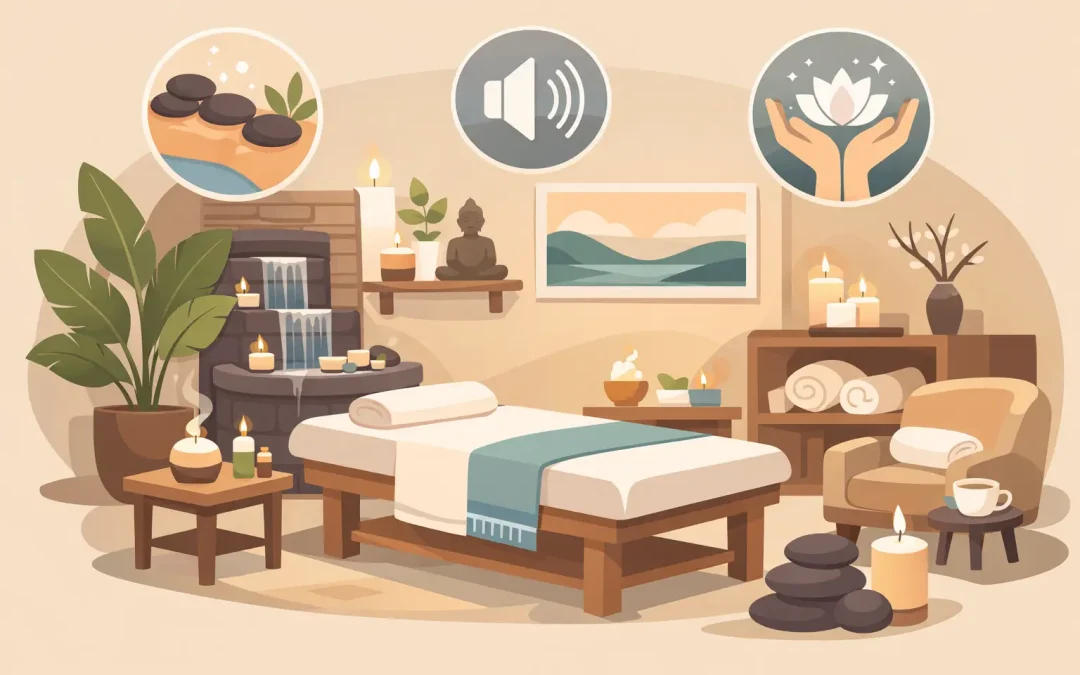
A massage suite can have beautiful finishes and still leave clients feeling rushed before the session begins. The difference often comes down to the practical details: whether they can park easily, settle into a quiet waiting area, use a clean restroom, and enter a treatment room that feels private and prepared. The best amenities for massage suites support that full experience while also making daily operations easier for the practitioner.
For an independent massage therapist, the right suite is more than a room with enough space for a table. It is the business home where clients build trust, referrals begin, and a full schedule becomes sustainable. Prioritize the amenities that protect calm, privacy, cleanliness, and convenience rather than paying for features that look impressive but do little for your clients or your workday.
Start With Quiet, Privacy, and Control
Massage is a personal service. Clients may arrive carrying physical discomfort, stress, or simple uncertainty about a new provider. They should not have to listen to phone calls from the next suite, noisy traffic, or a crowded hallway while changing for an appointment.
Sound control is one of the most valuable amenities in a massage suite. A solid door, reasonable separation between suites, and a setting away from high-traffic business activity help preserve confidentiality and relaxation. Soft background music or a sound machine can help, but they cannot fully overcome poor acoustics. When touring a space, visit during normal business hours if possible. Stand quietly in the room, listen near the door and shared walls, and consider what a client will hear while lying on the table.
Privacy also includes control over the room itself. Look for window coverings, a door that closes securely, and enough separation from reception or common areas. If you share a building with other beauty and wellness providers, a private suite gives you the flexibility to create your own atmosphere and schedule without competing with another practitioner’s service style.
The Best Amenities for Massage Suites Create Comfort Before Treatment
The treatment room matters most, but the client experience starts in the parking lot. Convenient onsite parking is not a luxury in the Capital Region, especially for clients arriving between work, school pickups, and errands. A client who can park close to the entrance is more likely to arrive relaxed and on time. This is particularly helpful for older clients, clients recovering from injuries, and anyone visiting during winter weather.
A clean, well-lit entry and clearly maintained common areas reinforce professionalism before you say a word. The same is true of a nearby restroom. It should be easy for clients to find, clean, and available without requiring them to walk through a warehouse area, private office, or confusing corridor.
Inside the suite, comfort comes from simple, usable features: reliable heating and air conditioning, adequate ventilation, accessible outlets, and enough room to move around the table without squeezing past furniture. A suite that feels comfortable in a quick walkthrough can feel very different after six appointments on a humid July afternoon or a cold January morning. Ask how temperature control works, who handles maintenance requests, and whether you can adjust conditions in your own space.
Space for a Professional Room Layout
A workable massage room needs more than the footprint of the table. You need circulation space at both sides, a place for a stool or chair, a small surface for intake forms or water, and room for the client to dress and undress comfortably. If you offer couples, prenatal, sports, or assisted-stretch services, your space requirements may be different.
Avoid selecting a suite solely because the monthly rent is low. A room that is too tight can limit your service menu, make cleaning harder, and create an awkward client experience. At the same time, an oversized suite may not make financial sense for a newer practice. The best fit is a space that supports your current schedule and gives you enough flexibility to add retail, a second table, or complementary services when demand grows.
Storage and Cleanliness Keep the Day Moving
Massage businesses use more supplies than many first-time tenants expect. Fresh linens, blankets, bolsters, oils, cleaning products, intake paperwork, retail products, and seasonal items all need a secure home. Good storage keeps the suite peaceful because supplies stay out of sight and close at hand.
Built-in cabinetry is helpful, but it is not the only solution. A suite with enough wall space for a closed storage cabinet or shelving unit can work very well. What matters is that clean linens are separated from used linens and that products are stored safely. Consider where you will keep a hamper, disinfecting supplies, and a small stock of replacement items without turning the treatment room into a supply closet.
Access to a sink or nearby water source can be useful, particularly for cleaning hands between clients and maintaining a polished service environment. However, the need depends on your exact practice and local requirements. Some therapists may prioritize a private in-suite sink, while others can operate comfortably with clean, nearby shared facilities. Before signing a lease, confirm what is permitted for your intended use and what changes, if any, you can make to the suite.
A Calm Location Supports the Service You Provide
A peaceful setting is not just a pleasant backdrop. It can become part of what clients associate with their appointment. A suite near natural surroundings, away from downtown congestion, gives clients a few quiet minutes to transition out of a busy day. That matters for a service built around rest, recovery, and focused care.
Still, calm should not mean inconvenient. Your location should be easy to reach from the communities you serve, with clear access from major roads and dependable parking. For massage therapists working with clients from Albany, Colonie, Schenectady, and surrounding Capital Region communities, a suburban location can offer a welcome balance: less traffic and pressure than a central city setting, without sending clients far out of their way.
At 296 Morris Road, that balance is part of the appeal. The Pine Bush setting offers a quieter environment while the property remains accessible from I-890, Central Avenue, Route 155, and Route 20. For a wellness professional, an approachable location and a calm arrival experience can make the suite easier for clients to choose again.
Security and Responsive Property Support Matter
Clients often visit massage practices one at a time, including during early mornings, evenings, or quieter weekday hours. Security features such as exterior lighting, visible parking areas, controlled building access, and onsite security help clients and practitioners feel more comfortable. These details also protect equipment, retail inventory, and personal belongings.
Just as valuable is knowing who to call when something needs attention. A leaking faucet, heating concern, or access issue should not become a disruption that affects a day of appointments. A hands-on, locally managed property can be a meaningful advantage over a large, anonymous office complex. When touring, ask who handles maintenance, how quickly requests are addressed, and whether you can speak directly with the people responsible for the building.
Choose Amenities Around Your Actual Practice
There is no single perfect massage suite. A solo therapist with a loyal daytime clientele may place parking, privacy, and affordable rent at the top of the list. A therapist building a high-end wellness brand may need a larger reception area, upgraded finishes, and room for retail. Someone combining massage with esthetics, acupuncture, or personal training may need different utility access, zoning approvals, or space configuration.
Make your decision with the client journey in mind. Drive to the property at the time you expect clients to arrive. Walk from the parking area to the suite. Sit quietly in the room. Picture where linens will go, how the temperature feels, and whether the space gives you the calm confidence to welcome someone in.
The right suite should let you spend less energy managing avoidable distractions and more energy caring for clients. When the setting is quiet, accessible, secure, and comfortable, the space begins to support the kind of steady, trusted practice you are working to build.